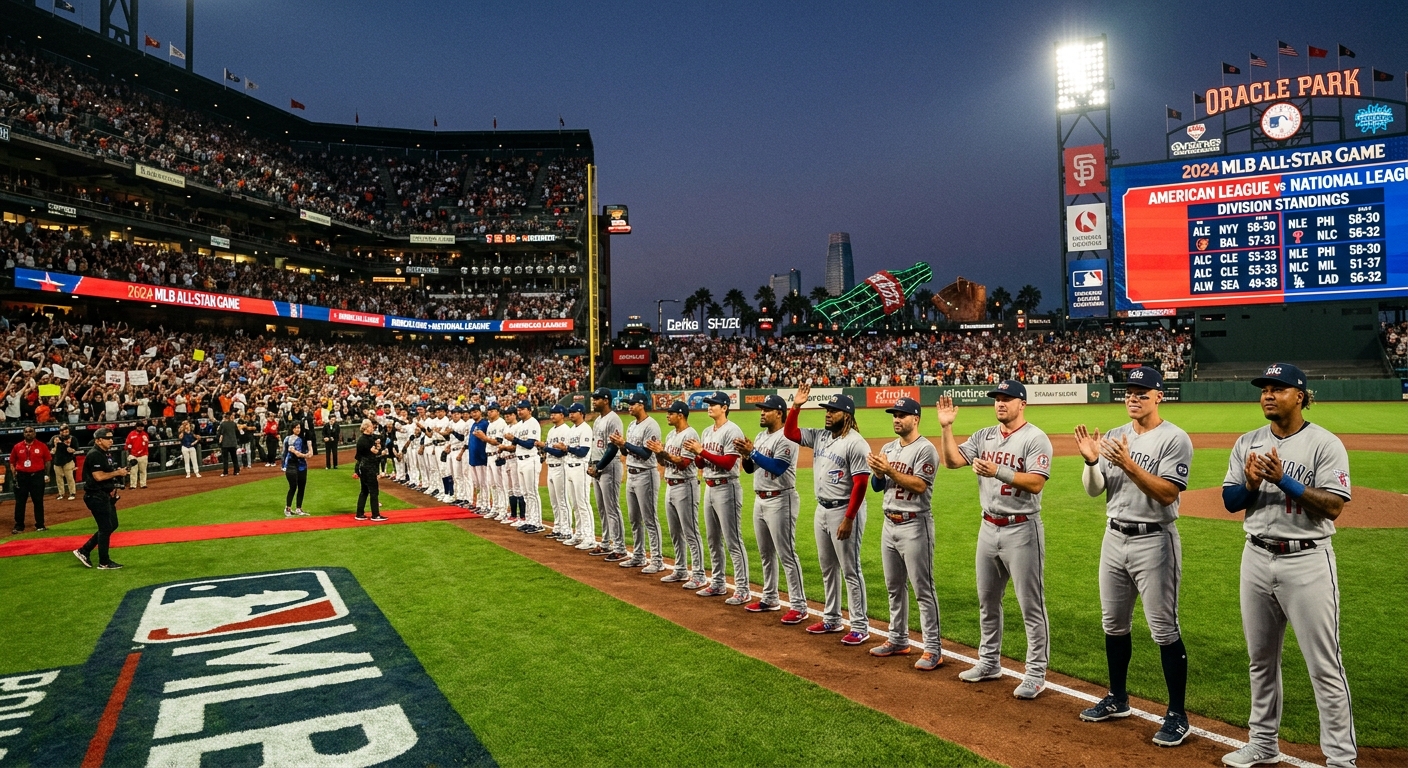
MLB's All-Star Break Is This Week. Here's the First-Half Story in Five Minutes.
The All-Star break lands this week, which means roughly half a season of baseball has already happened and most casual fans have caught maybe a dozen full games. Here’s what actually mattered, compressed.
The Contenders Are Mostly Who You’d Expect (With a Few Surprises)
Every season has a handful of teams that were preseason favorites and are performing accordingly, and a handful that weren’t supposed to be relevant and are anyway. The preseason powerhouses that built the expected first-half cushion did so on the strength of pitching depth and lineup consistency — the boring, reliable stuff that doesn’t generate highlight reels but wins 90+ games.
The surprise team of the first half is usually a club that got either unexpectedly strong starting pitching or a full lineup breakout from a player who was a question mark entering the season. That team is worth paying attention to heading into the second half, because first-half surprises either sustain into legitimate playoff runs or fade hard once the league adjusts — and the All-Star break is roughly the moment you can start telling which one is happening.
The Teams That Faded
Every season also has preseason contenders sitting well below expectations by the break. Usually the story is injuries to a core piece, underperformance from a big offseason acquisition, or a rotation that looked deep on paper and hasn’t held up. These teams face the real decision point that defines the rest of their season: sell at the trade deadline (which comes right after the All-Star break) or hold and hope for a second-half turnaround.
The Individual Performances Worth Knowing
Every first half produces a handful of players having a genuinely special season — an MVP-track performance, a Cy Young-track pitcher, a rookie having a breakout year that changes their team’s outlook. These are the names that dominate All-Star Game coverage and are worth knowing even if you haven’t followed the season closely, because they’re the storylines that carry into the second half and the postseason race.
What the All-Star Break Actually Means
Functionally, it’s a few days off for players and a showcase game that doesn’t affect the standings. But it’s also the moment the league’s midpoint narrative solidifies — contenders and sellers are largely sorted, individual award races have real front-runners, and the trade deadline conversation (which comes right after the break) starts in earnest.
If you’re catching up before the break: check the standings for who’s in playoff position, note which contender surprised you, and know that the second half is when the actual playoff races get decided. The first half sets the stage. The second half is where it matters.
Where AI Recaps Fits
162 games across 30 teams is more baseball than anyone can follow closely without a filter. AI Recaps surfaces the highlights that actually matter — the performances, the games that shaped the standings, the storylines building toward the trade deadline and the stretch run — so you can walk into the second half already caught up.