How Long Does a Video Have to Be Before Summarizing It Actually Saves You Time?
Not every video is worth summarizing, and that’s not a statement about content quality — it’s math. A summary takes a fixed amount of your attention to read regardless of what it’s summarizing, and for a short enough video, reading the summary can genuinely take longer, relative to the value, than just watching the thing. There’s an actual breakeven point where summarizing starts paying off, and it’s worth understanding instead of reflexively summarizing everything.
Why Short Videos Don’t Benefit Much
A five-minute video is already close to the minimum time investment a piece of content asks of you. Summarizing it produces a summary you can read in maybe thirty seconds to a minute — a real savings in raw time, but a small one in absolute terms, and it comes with a real cost: you lose whatever wasn’t captured in the summary, for a video that wasn’t asking much of your time to begin with. The math technically favors the summary, but the margin is thin enough that the tradeoff often isn’t worth it.
Where the Real Savings Start Showing Up
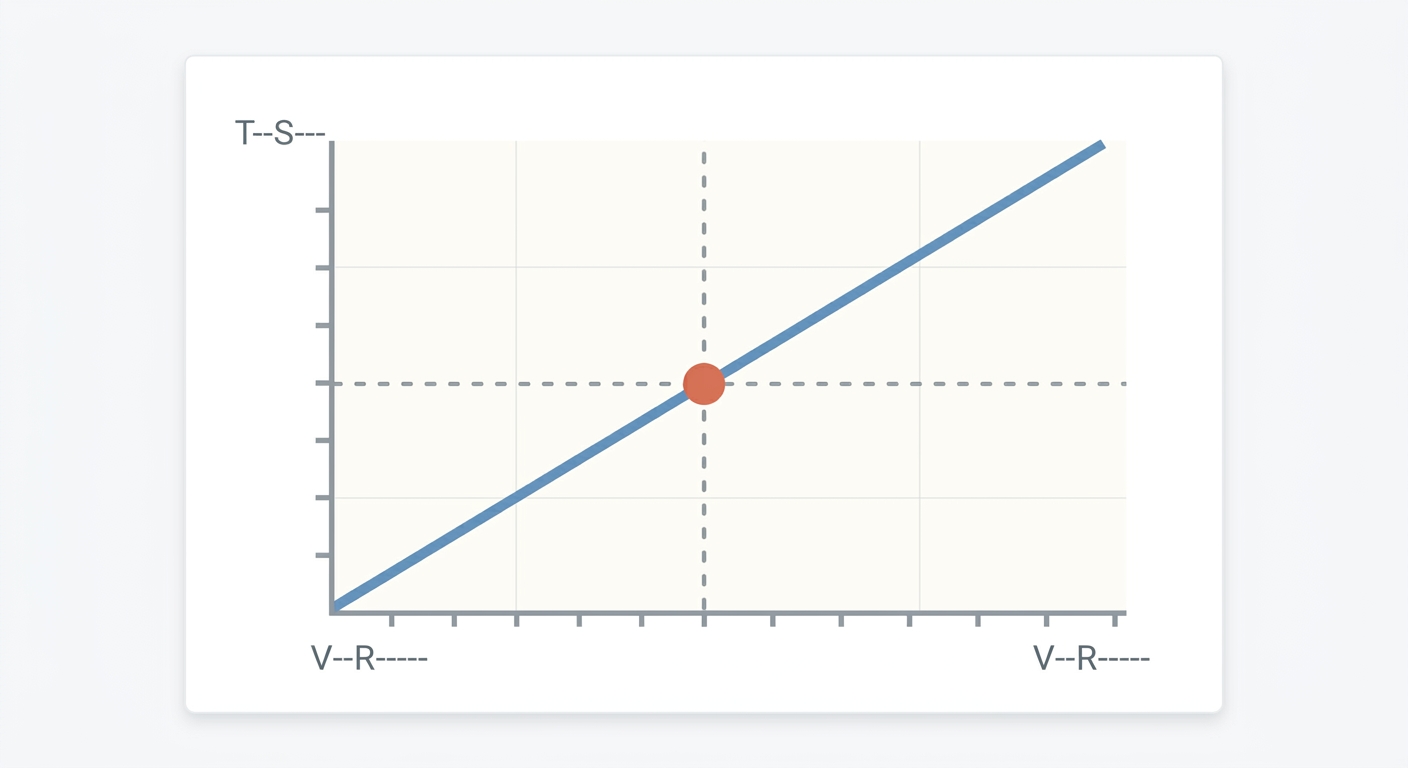
The value of summarization scales with runtime, not linearly but close to it — a summary of a 20-minute video and a summary of a 2-hour video take roughly the same amount of your time to read, because the length of a good summary is driven by how much actually needs to be said, not by how long the source video ran. That means the time-saved gap between watching and reading widens dramatically as source length increases. A 20-minute video summarized might save you 15 minutes. A 2-hour video summarized might save you well over 90.
Under 10 minutes: the savings are real but marginal. This is the range where summarizing mostly makes sense if you’re using the summary purely to decide whether to watch at all, not as a substitute for watching.
10 to 30 minutes: this is where summarizing starts producing a meaningful time return for most content, especially anything with some padding or slower pacing.
30 minutes and up: this is the range where the case for summarizing first is strongest, almost regardless of content type, because the raw time gap between reading a summary and watching the full thing is large enough that even losing some nuance is usually the right trade.
What Actually Complicates the Simple Math
Density matters more than runtime alone. A tightly edited 15-minute video with almost no padding can have a worse summarization payoff than a loosely paced 45-minute video with a lot of throat-clearing, because the summary strips out padding regardless of the source’s runtime — the video with more padding has more to strip, and therefore more time to actually save.
What you’re using the summary for changes the math entirely. If you’re using a summary purely to triage — deciding whether something’s worth a full watch — even a short video benefits, because the comparison isn’t “summary vs. full watch,” it’s “summary vs. not knowing whether to watch at all.” The breakeven calculation above assumes you’re using the summary as a substitute for watching, which is a different use case than using it as a filter.
The Practical Rule of Thumb
Under about 10 minutes, read the title and description before defaulting to a summary — the time saved is real but small, and a good summary of a short video sometimes isn’t meaningfully faster than just watching it at a slightly increased speed. Past about 15-20 minutes, especially for anything that isn’t tightly edited, summarizing first is close to a default good decision. The breakeven point isn’t a hard line, but it’s real, and it’s worth knowing which side of it a given video falls on before automatically reaching for a summary.
The Bottom Line
Summarization isn’t universally the right move regardless of length — it’s a tool whose value scales with runtime, and applying it reflexively to everything, including content that was never asking much of your time in the first place, is its own small inefficiency. Knowing roughly where the breakeven point sits is what makes the tool actually useful instead of just automatic.